
Prakash Raj: The Villain Audiences Love to Hate
Prakash Raj played villains across several languages and won National Awards. His career, as his biography records it, in detail.
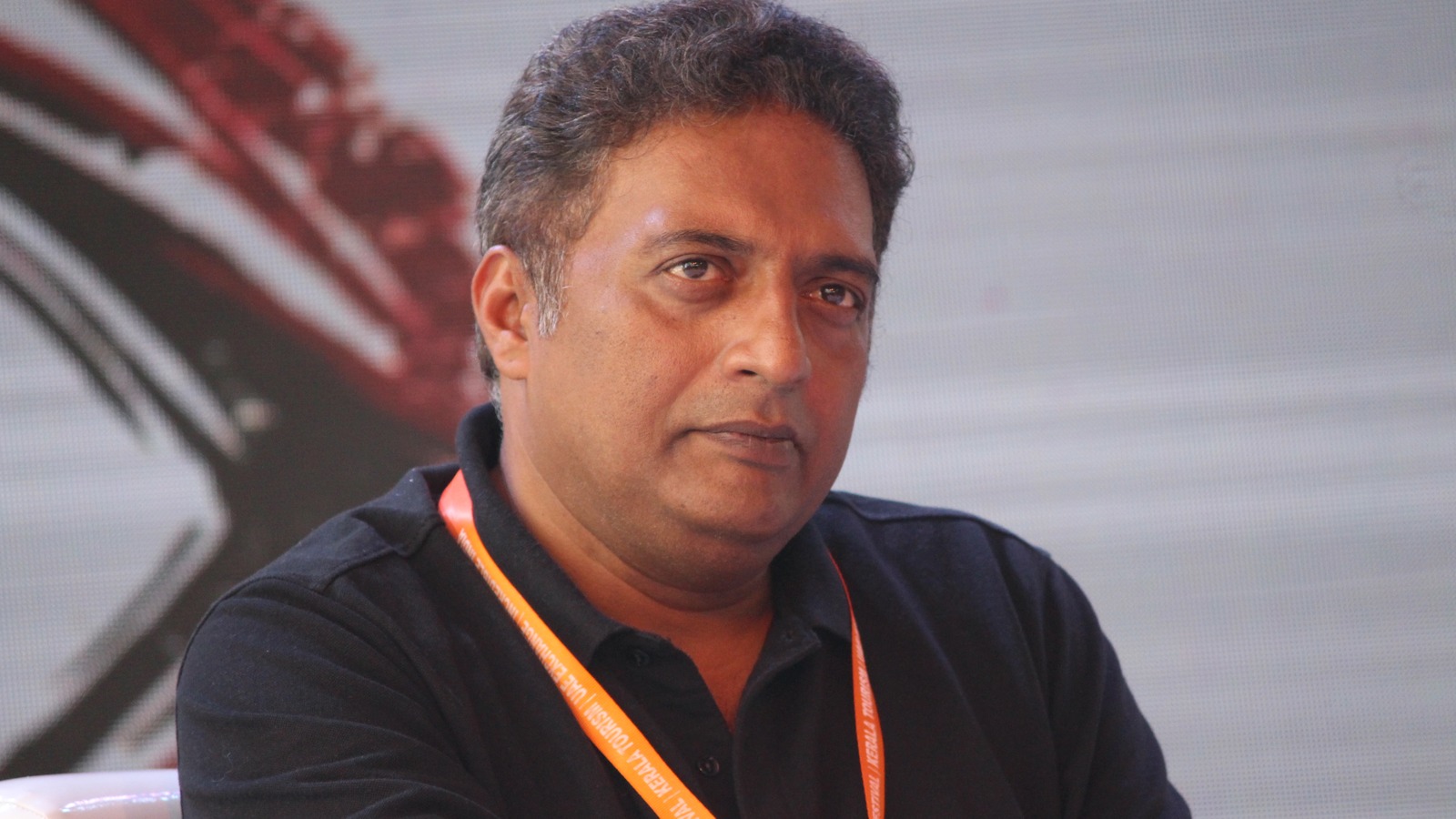
Prakash Raj became a star across several film industries by playing men audiences were not meant to like. His Wikipedia biography records a stage actor on a few hundred rupees a month who turned into a National Award winner in several languages. This piece follows it and leaves out its sections on controversies and family.
Bangalore and the stage
According to the biography, Raj was born Prakash Rai on 26 March 1965 in Bangalore to a Tuluva father and a Kannadiga mother. His brother, Prasad Raj, is also an actor. He studied at St. Joseph's Indian High School and joined St. Joseph's College of Commerce.
His early stage work was back-to-back shows for Rs 300 a month after he joined Kalakshetra in Bengaluru, and he has 2,000 street theatre performances to his credit. He started in television with Doordarshan serials such as Bisilu Kudure and Guddada Bhootha, then took supporting parts in Kannada films including Ranadheera, Ramachaari and Nishkarsha. His breakthrough role was in Harakeya Kuri (1992), starring Vishnuvardhan.
A new surname
The lead actress of Harakeya Kuri, Geetha, noticed his performance and introduced him to her mentor, the Tamil director K. Balachander. He acted as Prakash Rai in Kannada films, and Balachander gave him the name Prakash Raj for his Tamil debut, Duet (1994), his first major role. He named his production company Duet Movies in remembrance. He is still called Prakash Rai in Karnataka. He won the Tamil Nadu State Film Award for Best Villain for Kalki (1996).
The polyglot villain
The biography says his acceptance across languages was helped by being a polyglot, fluent in Kannada, Tamil, Telugu, Malayalam, Marathi, Hindi and English. In Iruvar (1997), where he played Tamilselvan, a character it says was based on M. Karunanidhi, opposite Mohanlal, he won the National Film Award for Best Supporting Actor. In Ghilli (2004), the Tamil remake of Okkadu, he played a villain with humour and brutality. Vasool Raja MBBS (2004) marked his first collaboration with Kamal Haasan, and he played a father in Santosh Subramaniam (2008) and a corrupt politician in Singam (2010). In Telugu, Antahpuram (1998) earned a National Film Award Special Mention, and he won four Nandi Awards for Best Supporting Actor for Khadgam, Bommarillu, Dookudu and Seethamma Vakitlo Sirimalle Chettu.
Best Actor
His lead role in Kanchivaram, set before independence, won Best Actor at the 55th National Film Awards in 2007, and the film won Best Film.
Hindi cinema
The biography says he entered Bollywood in 2009 with Wanted, followed by Singham (2011), Dabangg 2 (2012), Mumbai Mirror, Policegiri and Zanjeer (2013) and Heropanti (2014), mostly as the villain.
Producer and director
He began producing with Dhaya (2002), and followed with Tamil films such as Mozhi (2007) and Abhiyum Naanum (2008). He directed Naanu Nanna Kanasu (2010), a Kannada remake of Abhiyum Naanum, which ran 125 days in Karnataka theatres. In 2011 he co-produced and acted in Puttakkana Highway, directed by B. Suresha, which won the National Film Award for Best Feature Film in Kannada. He also hosted the second season of Neengalum Vellalam Oru Kodi.
Honours
He holds five National Film Awards, eight Nandi Awards, eight Tamil Nadu State Film Awards, six Filmfare Awards South, four SIIMA Awards, three CineMAA Awards and three Vijay Awards, according to the biography.
A note on sources
The biography mixes factual detail with promotional phrasing, such as "superstar in the South film industry" and "bad guy you love to hate". Those are descriptions, not facts, and this article uses the awards and credits as the firmer ground.
Sources
*Cover photo: Sreejithkoiloth, Wikimedia Commons (CC BY-SA 4.0).*