
Deepa Mehta: Fire, Earth, Water and a Moved Set
Deepa Mehta's Water was shot in Sri Lanka after protests ended its Varanasi plans. Her trilogy and career, per her biography.
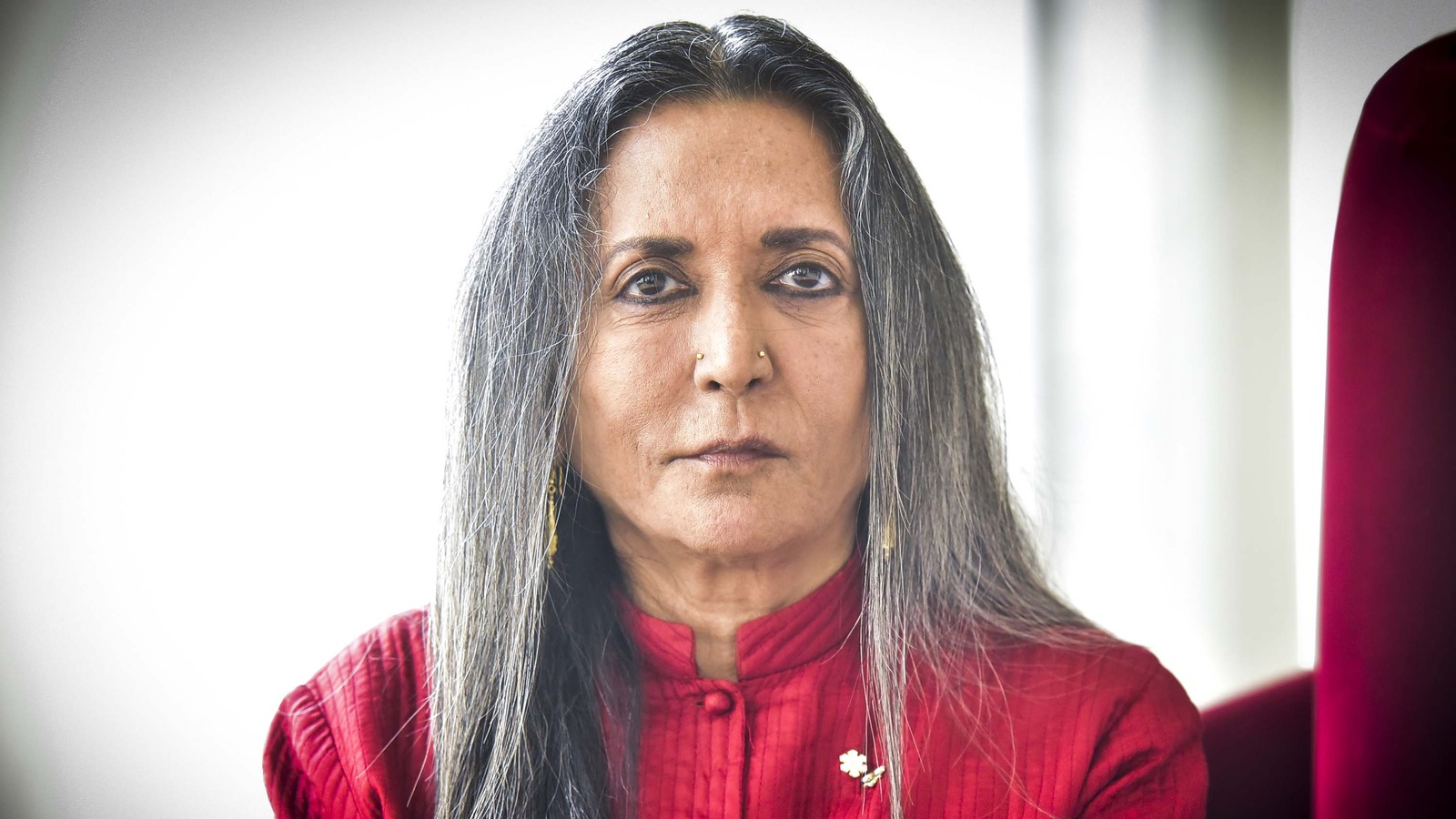
Deepa Mehta's best-known film was nearly never shot. Her sets have been both a creative problem and, in one case, a political one. Her Wikipedia biography is a record of films made across India and Canada, and this piece follows it.
Amritsar, Delhi and philosophy
According to the biography, Mehta was born on 15 September 1950 in Amritsar, near the border with Pakistan, and grew up hearing people discuss Partition. Her family moved to New Delhi when she was a child, and her father was a film distributor. She went to Welham Girls High School in Dehradun and took a philosophy degree at Lady Shri Ram College for Women. She grew up on commercial Indian cinema, she says, then discovered Satyajit Ray, Ritwik Ghatak, Truffaut, Godard, Ozu and Mizoguchi.
Moving to Canada
After university she worked for a production company making documentary and educational films for the Indian government. While making a documentary about a child bride's working life she met the Canadian filmmaker Paul Saltzman, whom she married, and in 1973 moved to Toronto. For a time she was credited as Deepa Saltzman. She directed episodes of the CBC drama Danger Bay and two episodes of The Young Indiana Jones Chronicles, and in 1987 produced and co-directed Martha, Ruth and Edie, which won Best Feature at the Florence film festival in 1988.
Her feature debut, Sam & Me (1991), set in Toronto's Parkdale, was at the time the highest-budgeted film directed by a woman in Canada, at 11 million dollars, and won an honorable mention in the Camera d'Or category at Cannes. She followed it with Camilla (1994) with Bridget Fonda and Jessica Tandy.
The Elements trilogy
Fire (1996), Earth (1998) and Water (2005) made her name. Fire follows two sisters-in-law who fall in love. It caused controversy, with protests in several Indian cities by Hindutva groups, though it won Most Popular Canadian Film at the Vancouver International Film Festival. Earth, based on Bapsi Sidhwa's novel Cracking India, centres on Partition, and echoes Mehta's own family history: her parents fled the newly created Pakistan in 1947.
The set that moved
Water follows an eight-year-old widow left in an ashram. Mehta says the idea came when she met an elderly widow called Gyanvati in Varanasi. The film was attacked by Hindu fundamentalists. The regional government overruled the central government's permission to film in Varanasi, and the production moved to Sri Lanka. Water opened the 2005 Toronto International Film Festival and was nominated for the Academy Award for Best Foreign Language Film in 2006. Earth was India's official submission to that category and Water was Canada's.
Later films
Bollywood/Hollywood (2002) won her a Genie Award for original screenplay. Heaven on Earth (2008), about domestic violence, starred Preity Zinta and premiered at Toronto. Beeba Boys premiered at Toronto in 2015 and Anatomy of Violence (2016) uses fiction to explore the roots of the 2012 Delhi gang rape. A planned film, Exclusion, about the Komagata Maru incident, was announced in 2005 and never made. Funny Boy (2020) was chosen as Canada's Oscar entry but disqualified by the Academy, which said it did not meet the required share of non-English dialogue; it won her Best Director at the 2021 Canadian Screen Awards. In 2012 she received the Governor General's Performing Arts Award for Lifetime Artistic Achievement.
What to take from it
Festival honours say less about Mehta than her production history, which includes one film shut out of its intended location. The plain facts in her biography show a filmmaker who relocated a whole shoot rather than change the story.
Sources
*Cover photo: Donostia Kultura, Wikimedia Commons (CC BY-SA 2.0).*