
A. R. Rahman, the Backyard Studio That Made a Star
A. R. Rahman built a recording studio in his backyard before Roja. His path to two Oscars and what his biography records.
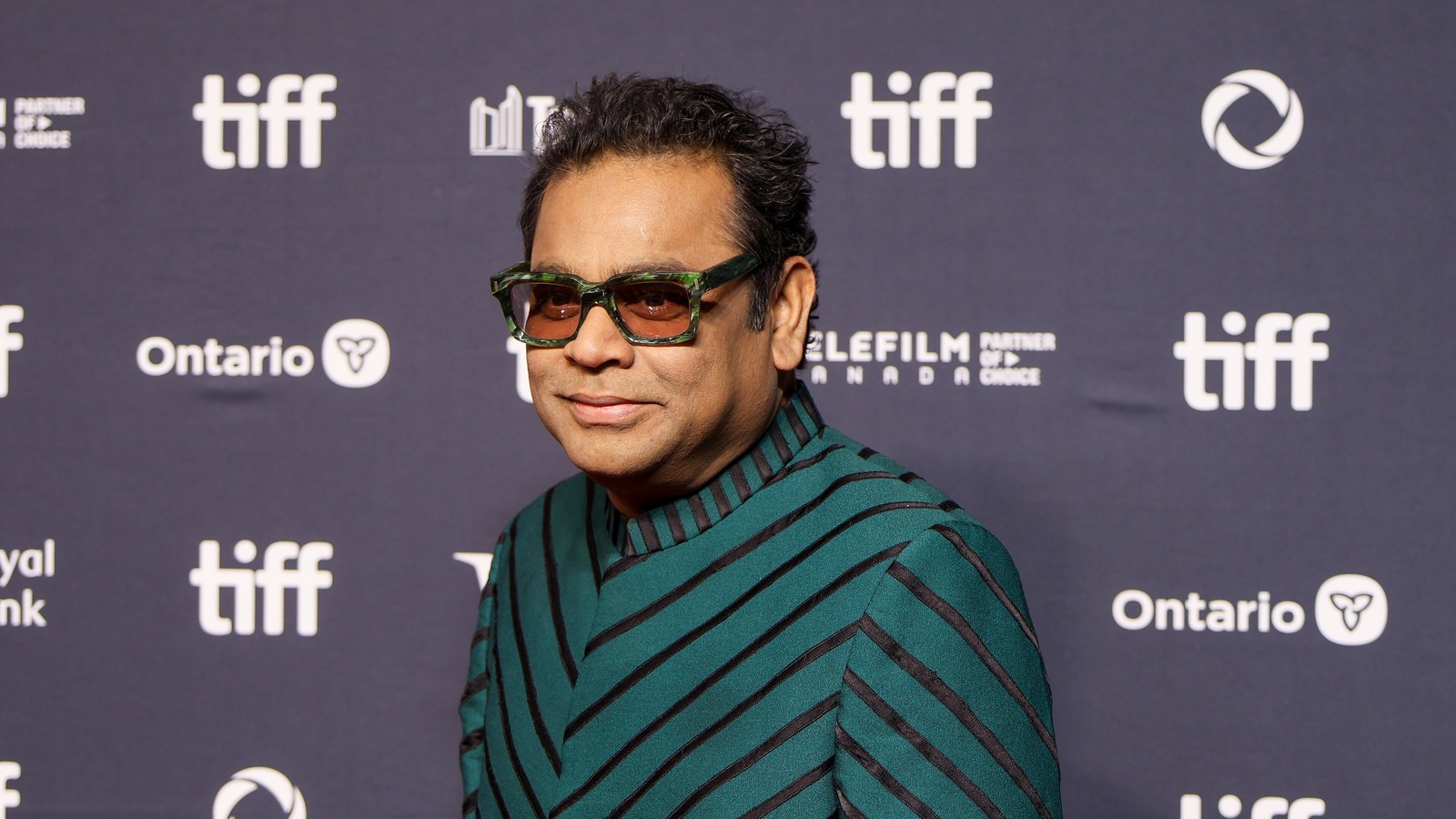
A. R. Rahman's rise to fame began with watch jingles and a recording studio in his backyard. His Wikipedia biography follows that path to two Academy Awards. This piece uses the biography's facts and leaves out its sections on family and faith.
A keyboard player in Madras
According to the biography, Rahman was born A. S. Dileep Kumar in Madras on 6 January 1967. His father, R. K. Shekhar, composed and conducted for Malayalam films, and Rahman began studying piano at age four and assisted his father in the studio, playing the keyboard. He studied at Padma Seshadri Bala Bhavan and the Madras Christian College Higher Secondary School, where he formed a band with classmates, and later dropped out to pursue music full-time.
He played keyboard and arranged for bands including Roots, with his childhood friend, the percussionist Sivamani, and founded the Chennai rock group Nemesis Avenue. He mastered the keyboard, piano, synthesiser, harmonium and guitar, and was particularly interested in the synthesiser because it was the "ideal combination of music and technology". At eleven he began playing in the orchestra of the composer M. K. Arjunan, and he worked with M. S. Viswanathan, Ilaiyaraaja and others, toured the world with Zakir Hussain and L. Shankar, and won a scholarship from Trinity College London.
Jingles and a studio
Rahman first composed scores for documentaries and jingles for advertisements and television channels. In 1987 he composed jingles for Allwyn watches, and arranged a well-known jingle for Titan Watches using the theme from Mozart's Symphony no. 25. In 1992 he started Panchathan Record Inn, a recording and mixing studio in his backyard, which the biography says became the most advanced recording studio in India. That year, director Mani Ratnam approached him to compose the score for the Tamil film Roja.
Roja and the Tamil years
Roja earned him a National Film Award for Best Music Director at the 40th National Film Awards, led by the theme "Chinna Chinna Aasai". He followed it with scores for Bombay, Thiruda Thiruda, Gentleman and Kaadhalan. The Bombay soundtrack sold 15 million copies worldwide, according to the biography. Minsara Kanavu won him a second National Film Award and a South Filmfare Award in 1997, the latter setting a record of six consecutive wins in that category.
Bollywood and beyond
His Bollywood debut was Rangeela, directed by Ram Gopal Varma, followed by Dil Se.. and Taal. In the 2000s he scored Swades, Yuva and Rang De Basanti, and wrote songs for Deepa Mehta's Water. His music for Slumdog Millionaire (2008) earned Best Original Score and Best Original Song, for "Jai Ho", at the 81st Academy Awards, and at the 2010 Grammys he won Best Compilation Soundtrack Album and Best Song Written for Visual Media. His first Hollywood film, Couples Retreat (2009), won the BMI Award for Best Score. He is nicknamed "Isai Puyal", or Musical Storm, and "Mozart of Madras".
Honours
He has seven National Film Awards, two Academy Awards, two Grammys, a BAFTA, a Golden Globe, fifteen Filmfare Awards and eighteen Filmfare Awards South. He received the Padma Bhushan in 2010, was named on Time's list of the 100 most influential people in 2009, and received an honorary doctorate from Berklee College of Music in 2014. In 2017 he made his debut as director and writer with Le Musk, and in 2024 he was named Honorary President of Trinity Laban.
A note on sources
Award tallies in the biography change as new honours come in, so they are accurate only as of its last update. Claims such as "the most advanced studio in India" are the biography's wording and not a measured ranking.
Sources
*Cover photo: Desmond Herzfelder, Wikimedia Commons (CC BY 4.0).*